
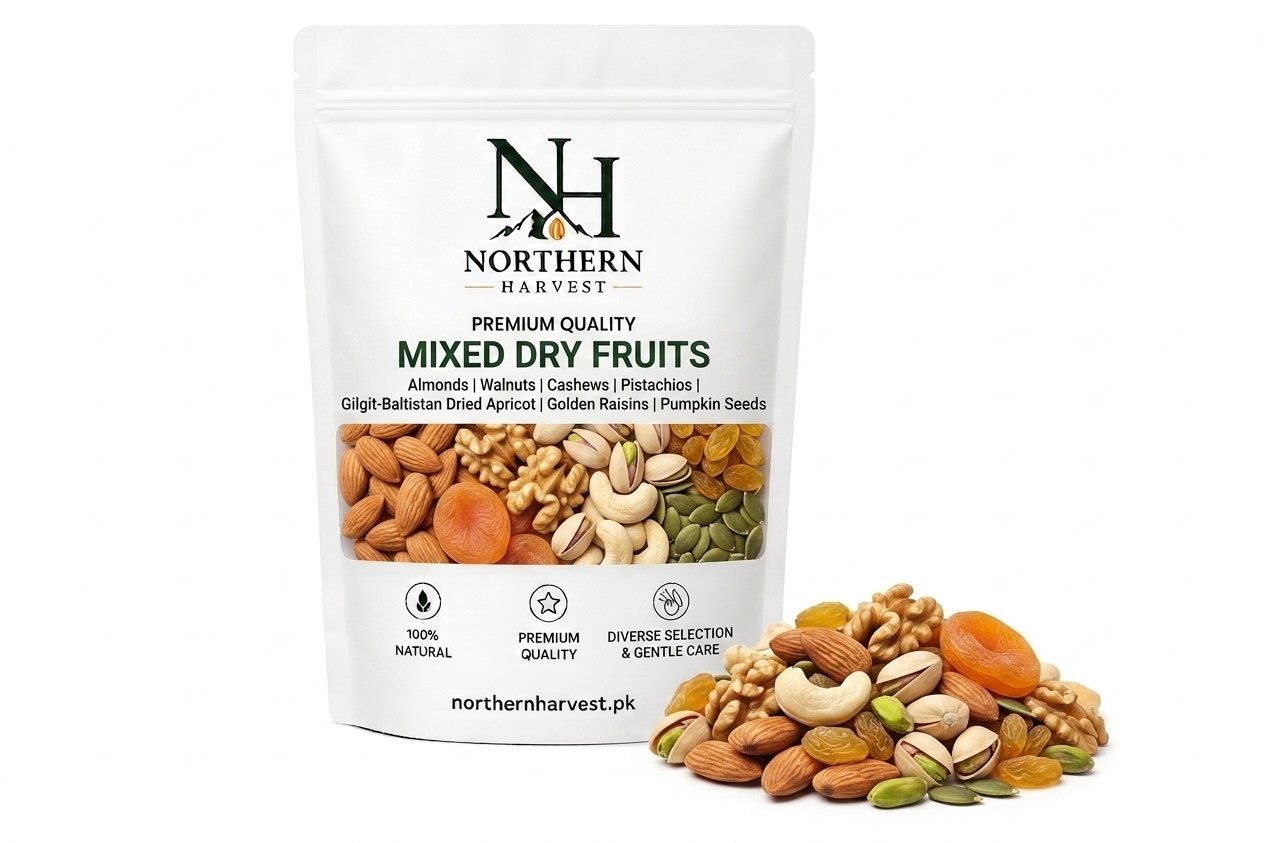
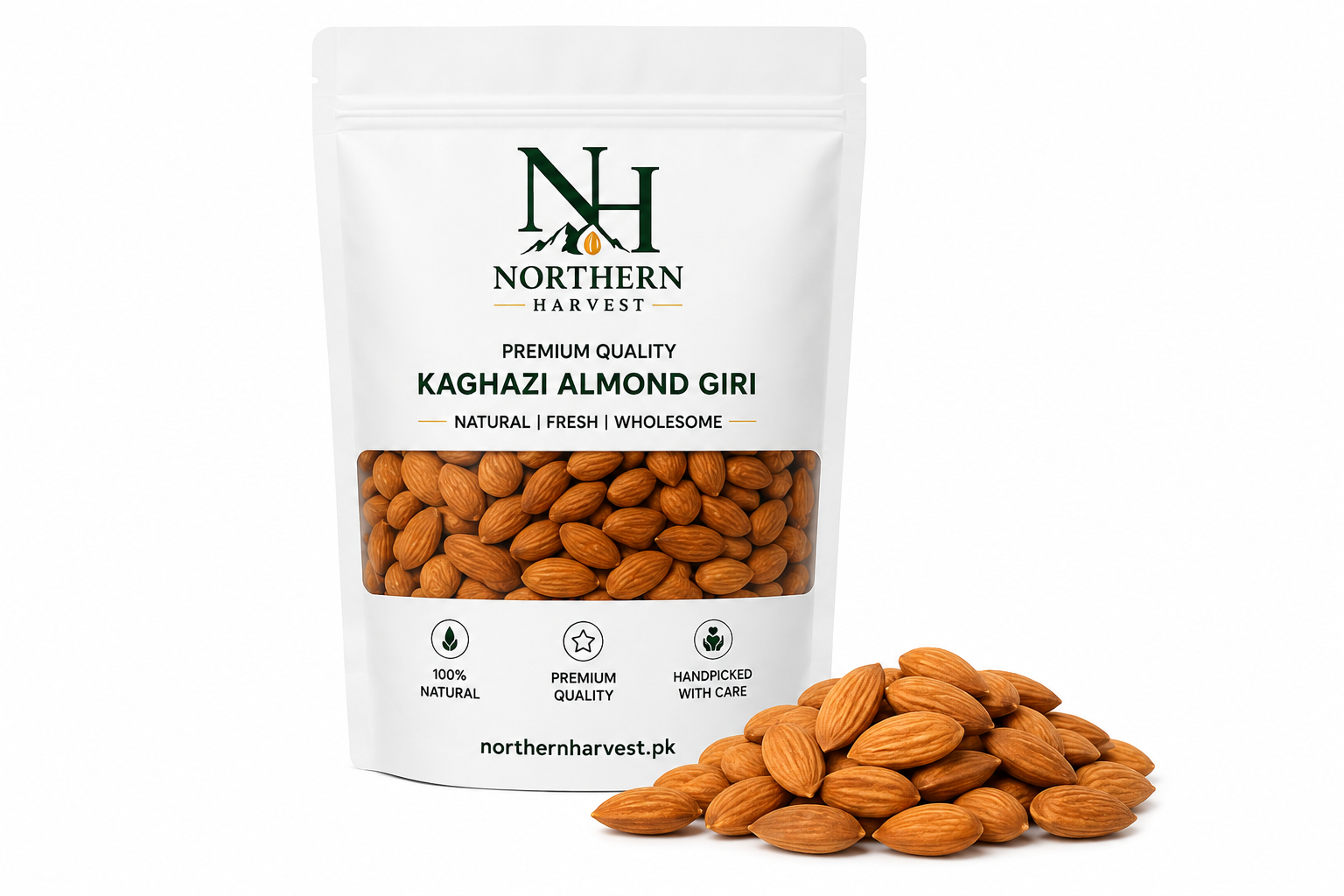



Dry fruits are a convenient and nutrient-dense food enjoyed by people around the world. Almonds, walnuts, cashews, pistachios, raisins, dates and figs can add flavor, texture and useful nutrients to everyday meals and snacks.
Because much of the water has been removed from dried fruits, their nutrients and natural sugars become more concentrated. Nuts also tend to be energy-dense, which makes portion size an important part of enjoying them as part of a balanced diet.
In this guide, we explore the benefits of dry fruits, popular types, nutritional characteristics, serving ideas, storage tips and simple ways to add them to your everyday routine.
Why Include Dry Fruits in Your Diet?
Nuts and dried fruits can provide nutrients such as fiber, protein, healthy fats, vitamins and minerals. They are also convenient to carry, making them a practical snack when enjoyed in suitable portions.
Benefits of Dry Fruits
Different dry fruits provide different nutrients. Including a variety of nuts and dried fruits can help you enjoy different flavors and nutritional qualities within an overall balanced eating pattern.
Nutrient-Rich Choice
Nuts and dried fruits can contribute protein, dietary fiber, unsaturated fats and a range of vitamins and minerals.
Source of Fiber
Certain dried fruits and nuts contain dietary fiber, an important part of a balanced eating pattern and everyday nutrition.
Convenient Energy
Dry fruits are concentrated foods, so a relatively small serving can provide a convenient source of energy between meals.
Healthy Fats
Almonds, walnuts and several other nuts contain predominantly unsaturated fats that can fit into a balanced diet.

Popular Types of Dry Fruits
The term dry fruits is commonly used for both dried fruits and edible nuts. Each type has its own taste, texture and nutritional profile.
 01
01
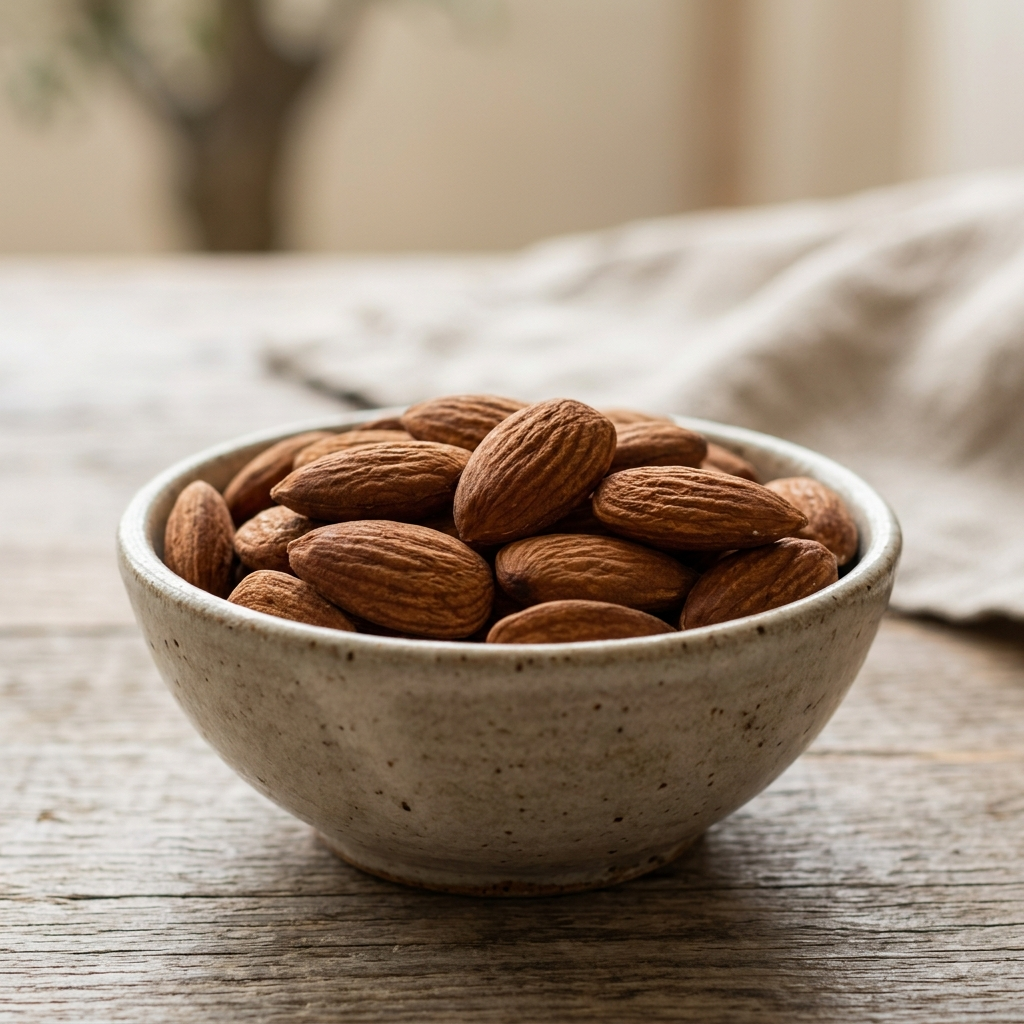
Almonds
Almonds are widely enjoyed as a snack and provide protein, dietary fiber, vitamin E and unsaturated fats.
 02
02
Walnuts
Walnuts have a distinctive flavor and provide plant-based omega-3 ALA along with protein, fiber and other nutrients.
 03
03
Cashews
Cashews have a creamy texture and can provide protein, copper, magnesium and unsaturated fats.
 04
04
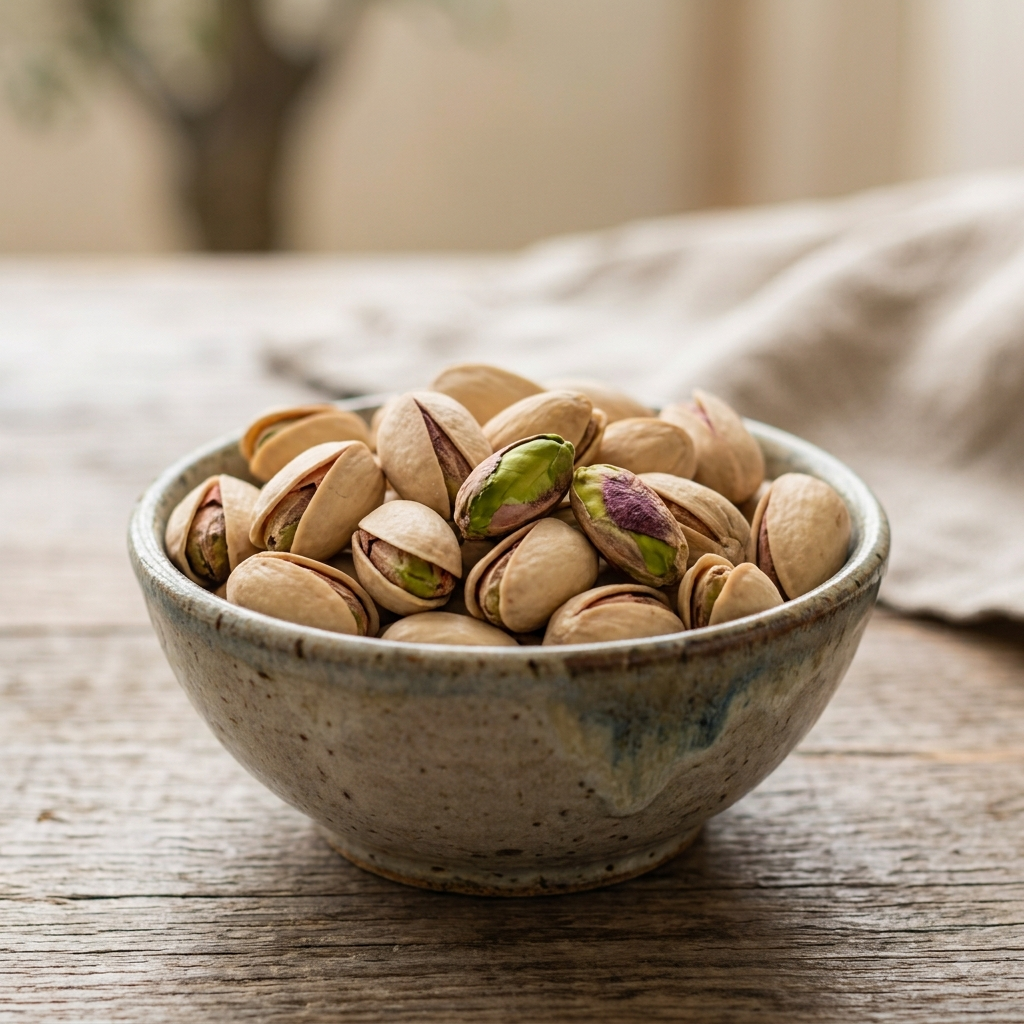
Pistachios
Pistachios provide protein, fiber and several vitamins and minerals, with a naturally crunchy texture.
 05
05
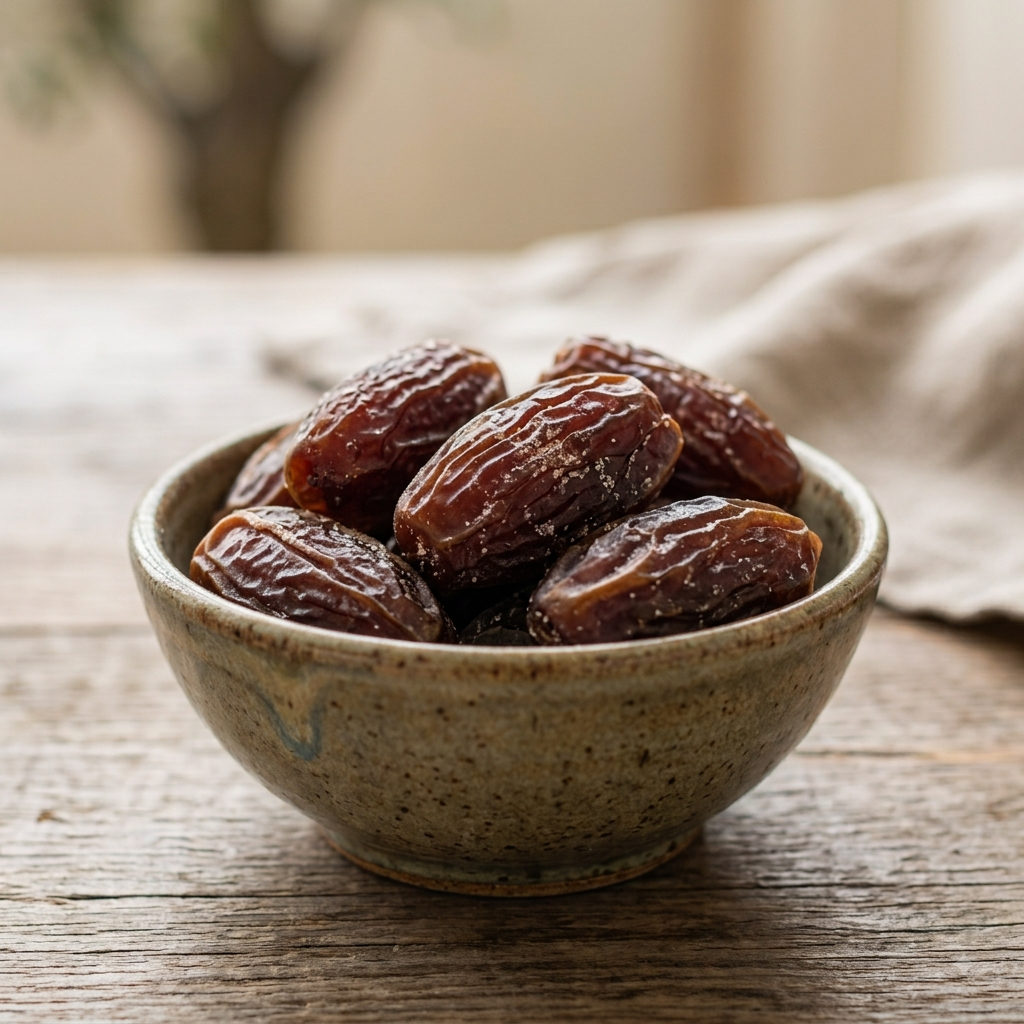
Dates
Dates are naturally sweet and provide carbohydrates, fiber and several minerals. They can be enjoyed alone or added to recipes.
 06
06
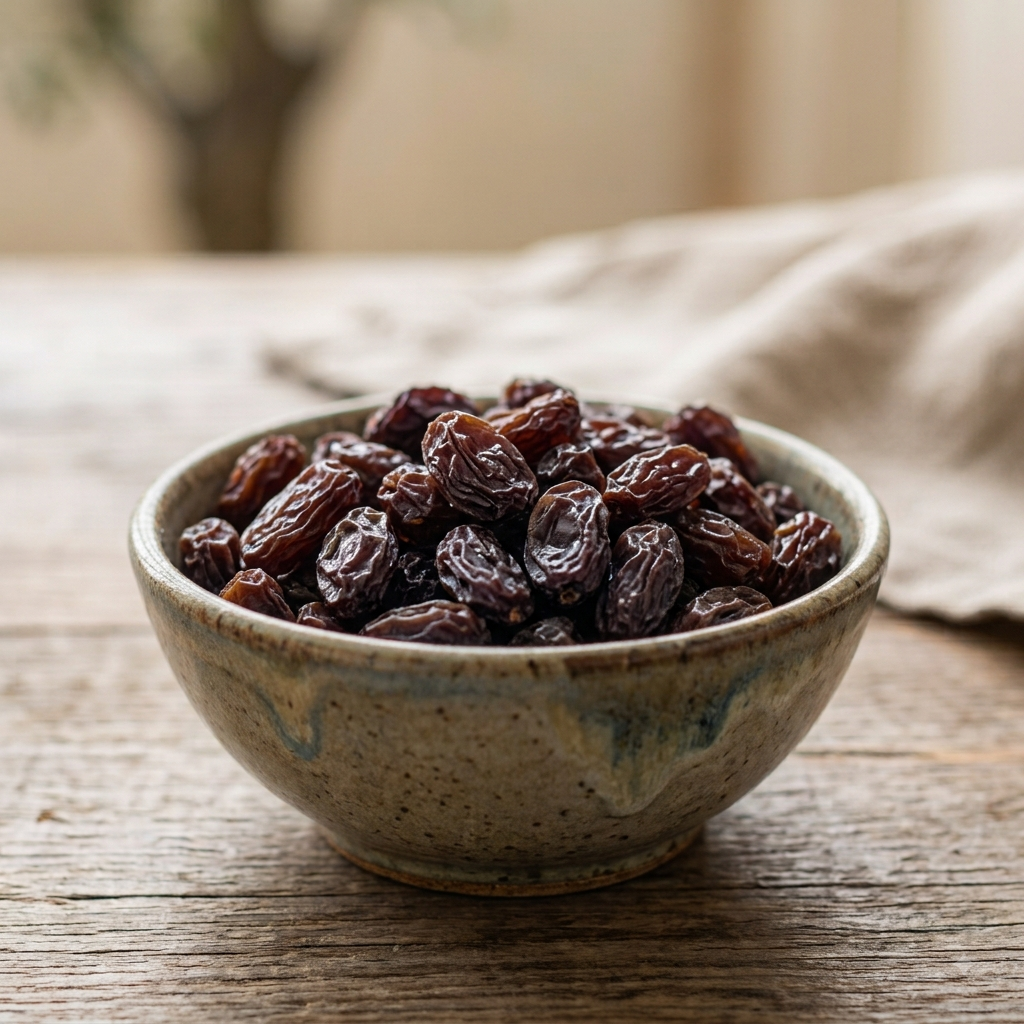
Raisins
Raisins are dried grapes with a naturally concentrated sweet flavor and can provide fiber and minerals.
Looking for Premium Dry Fruits?
Explore our selection of carefully sourced dry fruits and discover quality ingredients for your everyday meals and snacks.
Explore Dry Fruits →Dry Fruits Nutrition: What You Should Know
The nutritional profile of dry fruits depends on the specific food, processing method and serving size. Nuts generally provide more protein and fat, while dried fruits are usually more concentrated sources of carbohydrates and naturally occurring sugars.
Almonds, walnuts, cashews and pistachios can contribute protein, fats, fiber and minerals.
Dates, raisins and other dried fruits contain concentrated natural sugars along with varying amounts of fiber and minerals.
Choosing a variety allows you to enjoy different flavors, textures and nutritional characteristics.
Good to know: Dried fruits are concentrated foods. When buying packaged products, check the ingredient list and consider options without unnecessary added sugar or excessive salt.
How Much Dry Fruit Should You Eat?
There is no single serving size that is right for everyone. Your appropriate portion depends on your overall diet, energy needs, activity level and individual health goals.
Start With a Sensible Portion
Nuts and dried fruits are nutrient-dense, so a small handful can be a practical starting point for a snack. Use package serving information as a helpful reference.
Choose Simple Ingredients
When possible, compare labels and choose dried fruits without unnecessary added sugar and nuts without excessive added salt.
Keep Variety in Your Diet
Combine dry fruits with other nutritious foods instead of relying on them as your only source of nutrients.
Healthy Ways to Eat Dry Fruits
Dry fruits can be enjoyed in simple ways throughout the day. Try combining them with other whole foods for variety, texture and flavor.
Breakfast Bowls
Add almonds, walnuts or raisins to oatmeal, yogurt or a breakfast bowl for extra texture and flavor.
Fresh Salads
Chopped nuts and dried fruits can add crunch and natural sweetness to salads.
Smoothies
Dates or a small amount of nut butter can add flavor and richness to smoothies.
Snack Mix
Create a simple snack mix using unsalted nuts and a modest amount of dried fruit.
How to Store Dry Fruits Properly
Proper storage can help maintain the quality, texture and flavor of dry fruits for longer.
Store nuts and dried fruits in clean, airtight containers.
Keep them away from excessive heat, moisture and direct sunlight.
Follow the storage instructions provided on commercially packed products.
Refrigeration may help preserve the quality of some nuts, particularly in warm environments.
Check for unusual odors, mold or noticeable changes before eating.
HARVEST
Frequently Asked Questions About Dry Fruits
What are dry fruits?
Dry fruits generally refers to dried fruits and nuts that have relatively low moisture content. Common examples include almonds, walnuts, cashews, pistachios, dates, figs and raisins.
Are dry fruits healthy?
Many dry fruits and nuts can be part of a healthy, balanced diet. Their nutritional value varies by type, and portion size matters because many are calorie-dense.
Which dry fruits are high in fiber?
Several dried fruits such as dates, figs and raisins provide dietary fiber. Nuts such as almonds and pistachios also contribute fiber.
Should dry fruits be soaked before eating?
Soaking is a personal preference and may change the texture of certain foods. It is not necessary for everyone. If you soak them, use clean water and consume them safely.
Can I eat dry fruits every day?
Many people can include nuts and dried fruits regularly as part of a balanced diet. The appropriate amount depends on individual dietary needs, total calorie intake and health considerations.
Are dried fruits high in sugar?
Dried fruits contain concentrated naturally occurring sugars because much of their water has been removed. Some packaged products may also contain added sugar, so checking the ingredient label is useful.
Bring Nature's Goodness to Your Everyday Table
From crunchy almonds and walnuts to naturally sweet dates and raisins, dry fruits can be a convenient addition to meals and snacks when enjoyed in suitable portions.
Explore Our Dry Fruits →