

There are some things that become famous not because they are heavily advertised, but because people keep talking about them from one generation to the next. Salajeet is one of those things.
In Pakistan, the word Salajeet is familiar to many people. Ask someone from the northern areas about it, and you may hear a story about mountain cliffs, summer collection, traditional use, or an old family remedy. Outside the region, however, Salajeet is often surrounded by exaggerated claims and confusing marketing.
The reality is more interesting.
Salajeet, commonly known internationally as Shilajit, is a naturally occurring dark, resinous substance associated with mountainous regions. It has a long history of traditional use, while modern researchers have been studying its chemical composition, antioxidant properties and other biological activities.
And Gilgit-Baltistan gives this story a particularly local dimension. Research published in 2024 examined Shilajit collected from Gilgit, Hunza, Nagar and Chilas, showing that samples from different parts of the region can have measurable differences in their composition and properties.
What Is Gilgit-Baltistan Salajeet?
Gilgit-Baltistan Salajeet refers to Shilajit traditionally collected from the mountainous terrain of Gilgit-Baltistan. It is a dark, sticky, resin-like natural substance associated with rock formations in high-altitude mountain environments.
Its composition can vary according to geographic origin and environmental conditions. For that reason, origin alone is not enough to prove purity. Proper purification, responsible processing and independent quality testing matter just as much.
What You'll Discover
What Exactly Is Salajeet?
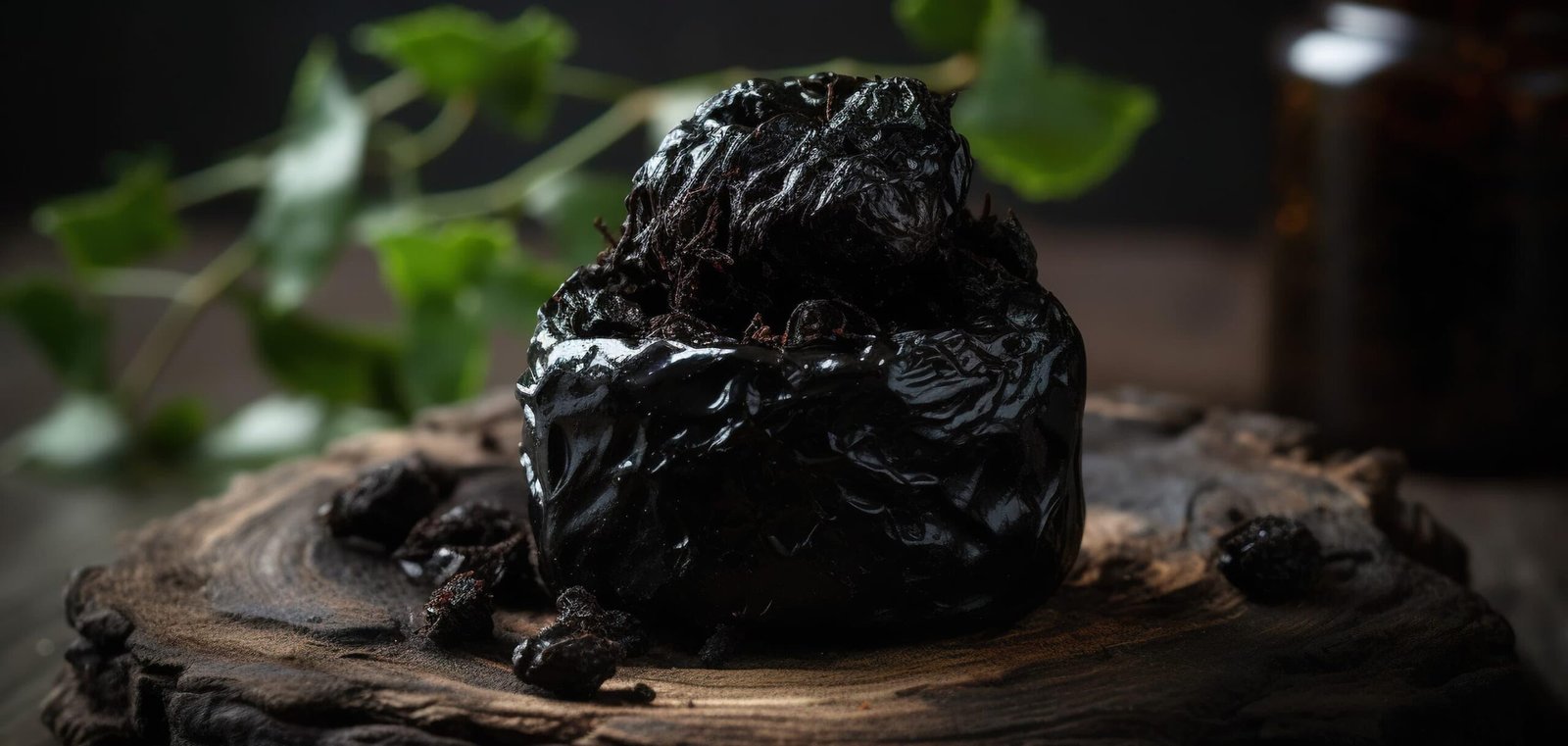
Salajeet is one of those natural substances that does not fit neatly into the usual categories of food or herb. Scientific literature commonly describes Shilajit as a complex natural substance found in mountainous regions, containing humic substances, organic compounds and minerals.
It is generally dark brown to almost black and has a characteristic resinous or tar-like appearance. In its raw state, however, it may contain unwanted material picked up from the environment, which is why traditional and commercial preparations may involve purification.
The names also vary. You may see Salajeet, Shilajit, Shilajatu, Mumiyo or Mumie depending on the country, language and traditional system being discussed.
Why Is Gilgit-Baltistan So Closely Associated With Salajeet?
Gilgit-Baltistan is a place where geography is impossible to ignore. The region sits among some of the world's great mountain systems, including the Karakoram, with dramatic elevations, rocky terrain and very different micro-environments across its valleys.
That matters because naturally occurring Shilajit is associated with mountainous rock environments. The scientific literature describes Shilajit as occurring in several mountain ranges, including the Himalayas and Hindu Kush, while research specifically conducted in Gilgit-Baltistan has now examined material from several localities within the region.
A 2024 study by researchers affiliated with Karakoram International University collected Shilajit during field work in Gilgit, Hunza, Nagar and Chilas. The researchers found measurable differences among samples from these areas, reinforcing an important point: even within one broad mountain region, natural material does not necessarily have exactly the same composition everywhere.
Gilgit
One of the major population and geographic centers of Gilgit-Baltistan, included in the 2024 regional Shilajit research.
Hunza
A high mountain valley included among the study locations used to compare Shilajit characteristics.
Nagar & Chilas
Both locations were also represented in the research, demonstrating variation between different areas of Gilgit-Baltistan.
What Has Research in Gilgit-Baltistan Found?
One of the most useful things about the recent research is that it moves the conversation away from internet claims and towards actual samples collected from the region.
In a 2024 study, researchers investigated Shilajit from Gilgit, Hunza, Nagar and Chilas. Their analysis included antioxidant activity, phenolic content, moisture, acidity, pH, mineral composition and antimicrobial activity.
GB Locations
Gilgit, Hunza, Nagar and Chilas were included in the study.
Field Collection
The samples were collected during field research conducted in these years.
Reported DPPH Values
The study reported differences in antioxidant activity among samples.
Moisture Range
The reported moisture content varied only slightly among the tested local samples.
Laboratory findings from a regional study are valuable, but they should not automatically be turned into medical promises. Laboratory antioxidant or antimicrobial activity is not the same thing as proving a health benefit in humans.
What's Inside Salajeet?
This is where Salajeet becomes scientifically interesting. It is not simply a single isolated ingredient. Researchers describe Shilajit as a complex mixture whose composition can differ according to geographical origin and processing.
Reviews have identified humic substances, fulvic components, minerals, dibenzo-α-pyrones and other organic compounds among the constituents reported in different Shilajit preparations.
That variation is one reason it is difficult to give every jar of Shilajit the same chemical label. A product's source, processing and purification can all influence what ultimately reaches the consumer.
Humic Substances
A major part of the chemical profile discussed in Shilajit literature.
Fulvic Components
Frequently discussed in research on Shilajit's biological properties.
Minerals
Mineral composition can vary depending on geological and environmental origin.
Bioactive Compounds
Researchers have identified several organic compounds that may contribute to its biological activity.
Why Have People Used Salajeet for Generations?
The story of Salajeet is older than modern supplement marketing. Traditional systems of medicine have used Shilajit as a rejuvenating or restorative preparation, and historical literature describes its use across South Asian traditional medicine.
In mountain communities, natural products are often approached differently from the way they are marketed online today. Knowledge is passed from person to person, often alongside practical experience of the local landscape.
That traditional history is worth respecting. At the same time, tradition and clinical evidence are not the same thing. A substance can have a long history of traditional use while still requiring modern research to establish whether a particular health claim is effective, for whom, and at what dose.
“The most honest way to talk about Salajeet is to appreciate its traditional history while being equally honest about what modern research has—and has not—proved.
Why Purity Matters More Than the Mountain Name
This may be the most important part of the entire article.
Seeing the words “Gilgit-Baltistan,” “Himalayan,” “Karakoram” or “mountain sourced” on a label does not, by itself, prove that a product is pure.
Natural Shilajit can contain environmental minerals and other substances, and the composition of commercial products can vary. Recent analytical work has highlighted variability in elemental composition, while research on some Shilajit supplements has specifically raised concerns about potentially toxic elements.
Clear Origin
A trustworthy seller should be able to explain where the product comes from rather than simply using “Himalayan” as a vague marketing word.
Purification
Raw material and finished, purified Shilajit are not the same thing. Ask what processing or purification is performed.
Laboratory Testing
Independent testing is one of the strongest practical ways to assess identity, composition and unwanted contaminants.
Batch Transparency
Ideally, testing should relate to the actual batch being sold rather than a generic certificate with no clear connection to the product.
How to Choose Better Gilgit-Baltistan Salajeet
The market for Shilajit has grown quickly, and that makes it harder for an ordinary buyer to separate a genuine, responsibly processed product from a product that simply has an attractive label.
Instead of relying on one “home test,” look at the entire story behind the product.
Ask Where It Was Sourced
A serious seller should be able to provide a clear sourcing story instead of only saying “100% Himalayan.”
Ask Whether It Has Been Purified
Raw natural material may contain soil, rock particles and other environmental material. Processing matters.
Look for a Real Laboratory Report
Testing for contaminants and composition provides much more useful information than marketing language alone.
Be Careful With Extreme Claims
Claims such as “cures everything,” “instant testosterone,” or guaranteed disease treatment should be treated as warning signs rather than proof of quality.
Consider the Packaging
A properly sealed container, clear batch information and sensible storage instructions show attention to product handling.
5 Common Salajeet Myths Worth Questioning
Darker Always Means Better
Color alone cannot establish purity, potency or safety.
“Gilgit” Automatically Means Pure
Geographic origin is useful information, but it is not a substitute for purification and testing.
More Fulvic Acid Always Means Better
Shilajit is a complex mixture. A single percentage should not be used as the entire definition of quality.
Traditional Use Proves Every Health Claim
Traditional experience is important, but modern clinical evidence must be evaluated separately.
Every Shilajit Product Is the Same
Composition can vary by source, processing, purification and formulation.
How Is Salajeet Commonly Used?
Shilajit is commonly sold as a resin, although capsules, powders and other preparations are also available. Traditional use often involves dissolving a small amount of resin in a warm liquid before consumption.
There is, however, no single universal dose that can safely be applied to every Shilajit product. Concentration, purification, formulation and quality can differ considerably.
Follow the Product's Verified Instructions
If you choose to use purified Salajeet, follow the serving instructions supplied by the manufacturer and do not assume that a dose used for one product applies to another.
Do Not Treat It as a Replacement for Medical Care
Salajeet should not be presented as a replacement for prescribed treatment or as a guaranteed treatment for a medical condition.
Ask a Healthcare Professional When Appropriate
Anyone who is pregnant, breastfeeding, taking medication, managing a chronic condition or considering a supplement for a specific medical problem should discuss its use with an appropriately qualified healthcare professional.
What Does Modern Science Actually Say?
This is where it is worth slowing down.
Laboratory and animal research has investigated Shilajit's antioxidant, anti-inflammatory, adaptogenic and other biological properties. Some human research also exists, but the overall evidence base remains much smaller than the volume of claims found online.
A peer-reviewed review published in 2014 concluded that Shilajit had promising biological properties but also emphasized the need for additional well-controlled studies using standardized products.
Another review found that the evidence for several biological claims was not yet strong enough to support firm conclusions. More recent research continues to explore the substance, but differences in composition and product standardization remain important limitations.
Chemical & Laboratory Interest
Shilajit contains a complex mixture of humic substances, minerals and bioactive compounds that researchers continue to investigate.
Antioxidant & Biological Activity
Laboratory and experimental studies report interesting biological activity, but these findings should not automatically be translated into guaranteed human health outcomes.
Many Popular Health Claims
Claims about treating diseases, dramatically increasing performance or producing guaranteed hormonal effects require stronger human clinical evidence.
Salajeet is scientifically interesting, traditionally important and worth studying—but “natural” does not automatically mean “proven,” and a promising laboratory result is not the same as a clinical guarantee.
The Real Value of Gilgit-Baltistan Salajeet Is Also About Its Origin
When people talk about Gilgit-Baltistan Salajeet, they are not only talking about a supplement in a jar. They are talking about a product associated with one of Pakistan's most distinctive mountain landscapes.
Gilgit-Baltistan has communities, valleys and mountain environments where traditional knowledge of natural resources has developed alongside everyday life. That connection is part of what makes locally sourced products meaningful.
But authenticity should not be romanticized either. A beautiful story about the mountains is not a laboratory report. The best product story combines both: honest regional sourcing and measurable quality control.
“Good Salajeet should have a story you can trace—from its mountain origin to the way it was purified, tested and packaged.
Before Buying Gilgit-Baltistan Salajeet, Ask These Questions
Is the geographical source clearly explained?
Is the product purified rather than simply described as raw?
Is there credible laboratory testing?
Does the testing address unwanted contaminants?
Is batch information available?
Does the seller avoid unrealistic medical promises?
Gilgit-Baltistan Salajeet FAQs
What is Gilgit-Baltistan Salajeet?
Gilgit-Baltistan Salajeet refers to Shilajit associated with the mountainous region of Gilgit-Baltistan, Pakistan. It is a naturally occurring dark, resin-like substance traditionally collected from mountainous rock environments.
Is Salajeet the same as Shilajit?
Yes. Salajeet is a commonly used name in Pakistan and parts of South Asia for Shilajit. Other names include Shilajatu, Mumiyo and Mumie.
Where is Shilajit found in Gilgit-Baltistan?
Shilajit is associated with mountainous areas of Gilgit-Baltistan. A 2024 research study specifically examined samples collected from Gilgit, Hunza, Nagar and Chilas.
Is Gilgit-Baltistan Shilajit always pure?
No. Geographic origin alone cannot prove purity. Quality depends on the source material, processing, purification, storage and testing. A trustworthy product should provide clear information about these factors.
What does Shilajit contain?
Shilajit is a complex natural mixture. Research has identified humic substances, fulvic components, minerals and several other organic compounds, although exact composition can vary between samples and regions.
Does Gilgit-Baltistan Salajeet have health benefits?
Shilajit has a long history of traditional use and modern research has reported interesting biological activities. However, evidence for many popular human health claims remains limited, and laboratory findings should not be presented as guaranteed medical benefits.
How can I identify original Salajeet?
There is no single home test that can reliably establish authenticity and safety. Look for transparent sourcing, proper purification, credible independent laboratory testing and batch information rather than relying only on color, smell, texture or claims on the label.
Is raw Shilajit safe to consume?
Raw natural Shilajit may contain environmental impurities and should not automatically be considered safe simply because it is natural. Purification and appropriate quality testing are important before consumption.
Is Salajeet a medicine?
Salajeet is traditionally used as a natural preparation and is also sold as a dietary supplement. It should not automatically be treated as a proven medicine or as a replacement for medical treatment.
What should I look for when buying Salajeet online?
Look for clear regional sourcing, purification information, laboratory testing, batch details, sensible packaging and a seller that avoids exaggerated medical claims.
Respect the Tradition. Check the Science. Know What You're Buying.
Gilgit-Baltistan Salajeet has a story that begins far away from modern supplement shelves—in the mountains, valleys and traditional knowledge of northern Pakistan.
Its chemistry is genuinely interesting, its traditional history is long, and research from Gilgit-Baltistan itself is beginning to give us a better understanding of how samples from different localities can vary.
But the most responsible approach is neither to dismiss Salajeet nor to promise miracles. Choose products with transparent sourcing, proper purification and credible testing, and treat health claims with the same care you would expect from any other supplement.
NORTHERN HARVESTWhat This Article Is Based On
This guide combines peer-reviewed research on Shilajit with a 2024 regional study of samples from Gilgit, Hunza, Nagar and Chilas. Health-related statements are intentionally presented conservatively because traditional use, laboratory findings and clinical evidence are not interchangeable.
- Abbas et al. (2024), International Journal of Agriculture and Biology — research on Shilajit from different regions of Gilgit-Baltistan.
- Stohs (2014), Phytotherapy Research — review of Shilajit safety and efficacy.
- Comprehensive review literature on the chemical composition and variability of Shilajit.