
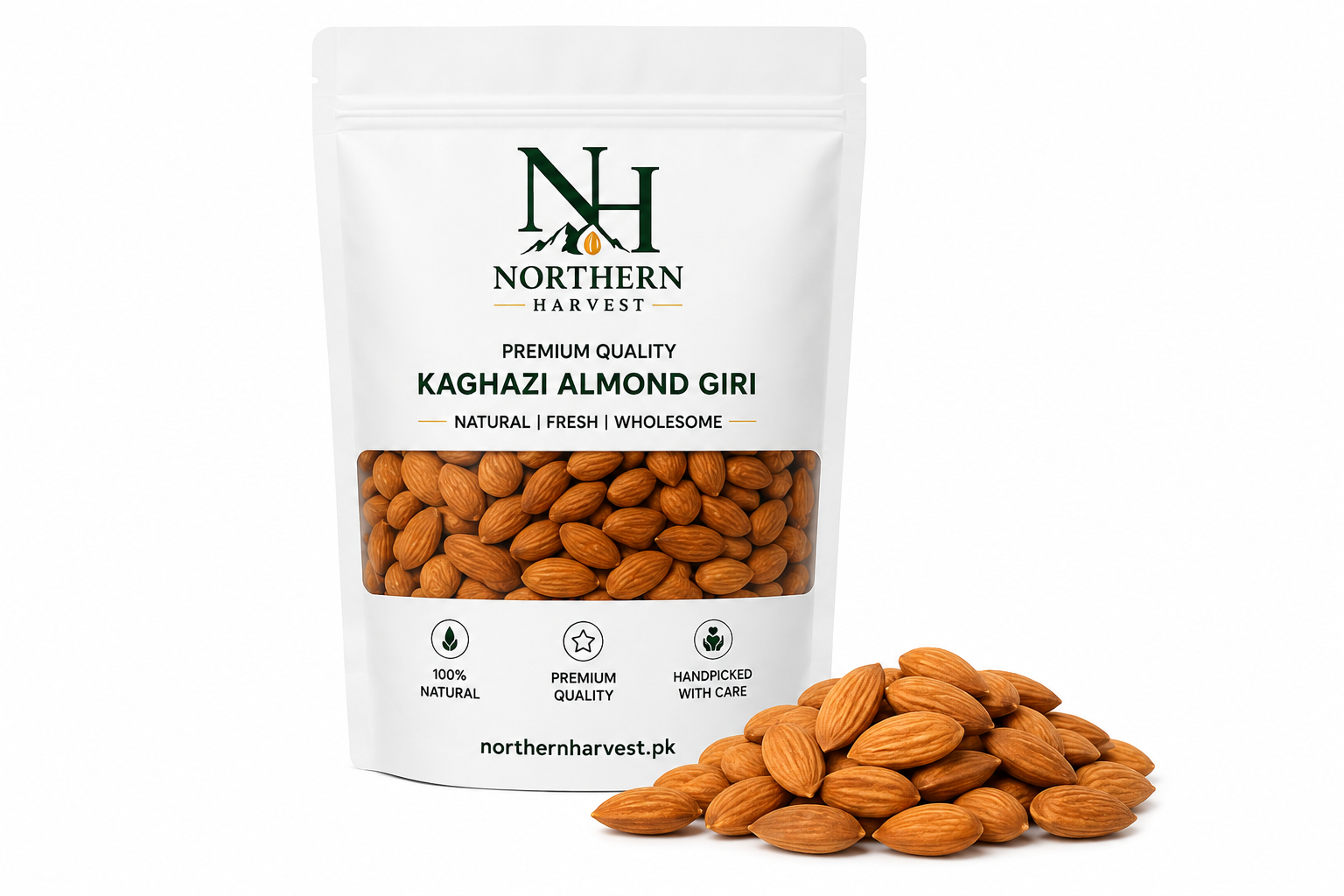
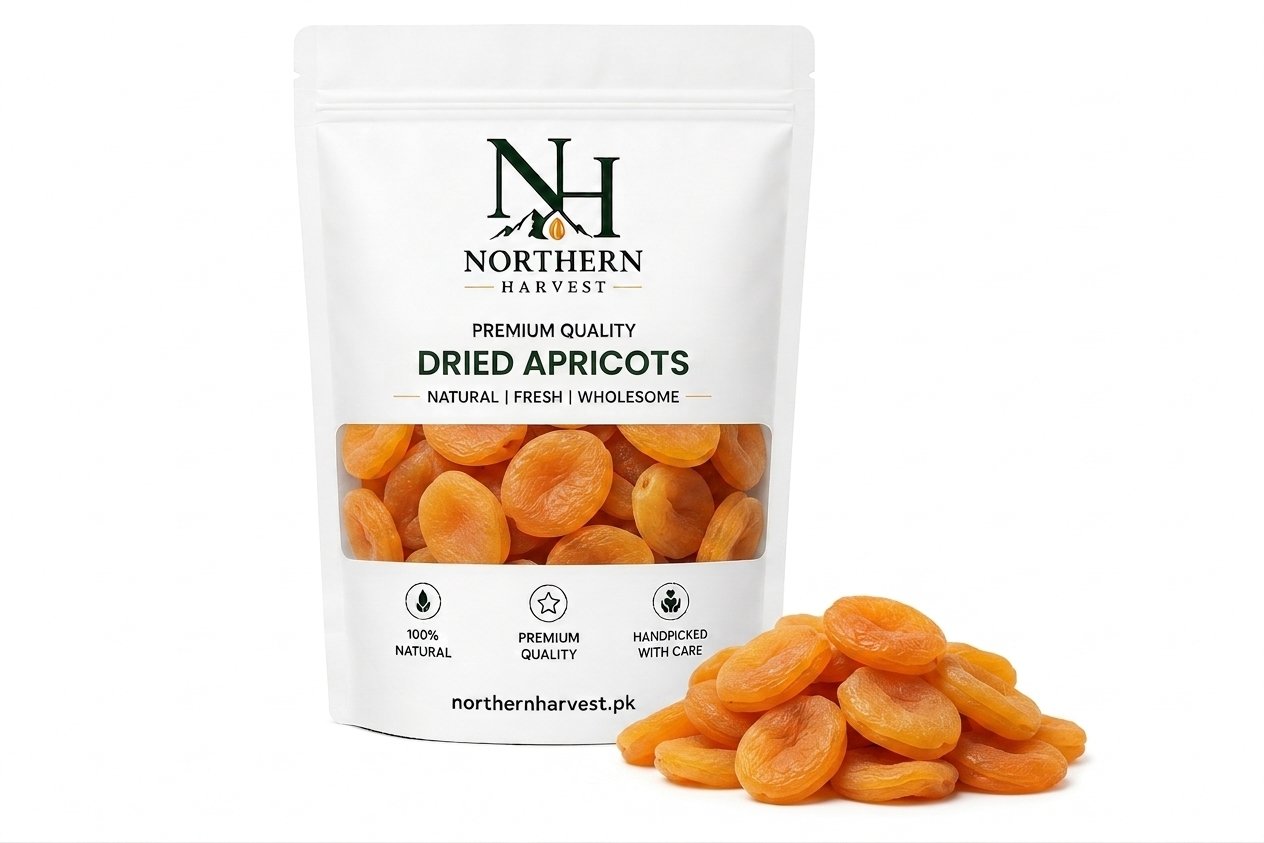


When winter arrives, many people naturally turn toward nourishing, energy-rich foods. Dry fruits and nuts are a popular choice because they are convenient, versatile and packed with nutrients.
From crunchy almonds and walnuts to naturally sweet dates and traditional chilgoza, there are plenty of options to enjoy during the colder months. But choosing the right dry fruits is only part of the story. How much you eat and how you include them in your daily diet also matters.
In this guide, we look at some of the best dry fruits for winter, their nutritional qualities, practical serving ideas and simple ways to enjoy them without turning a healthy snack into an excessive one.
Choose a variety of nuts and dried fruits, keep portions sensible, and prefer products without unnecessary added sugar or excessive salt.
What You'll Find in This Guide
7 Best Dry Fruits for Winter
Each dry fruit has its own nutritional profile and flavour. A varied selection can make your winter diet more interesting without relying on just one food.
 01
01
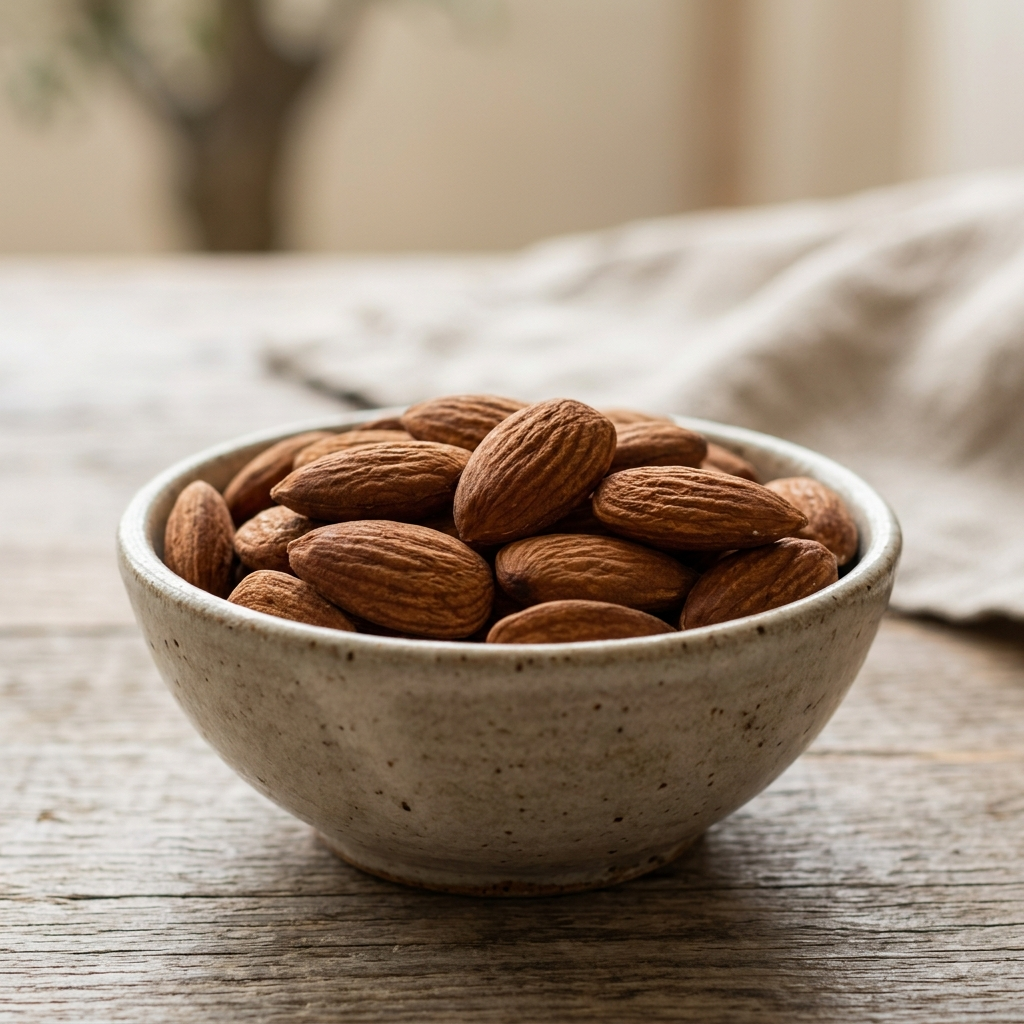
Almonds
Almonds are one of the most popular nuts for everyday snacking. They provide protein, fibre, healthy unsaturated fats and important nutrients such as vitamin E and magnesium.
Their mild flavour also makes them easy to add to breakfast, homemade snacks or simply enjoy on their own.
 02
02
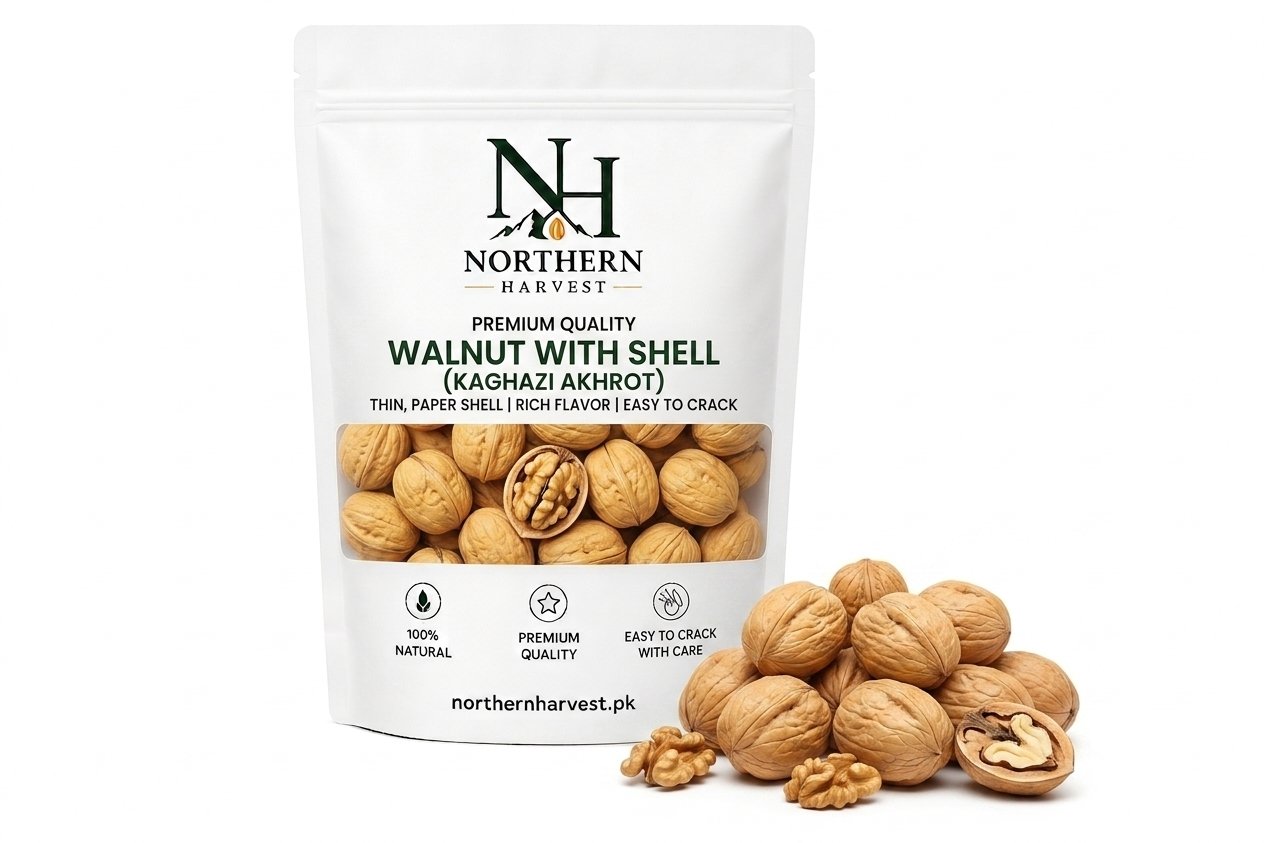
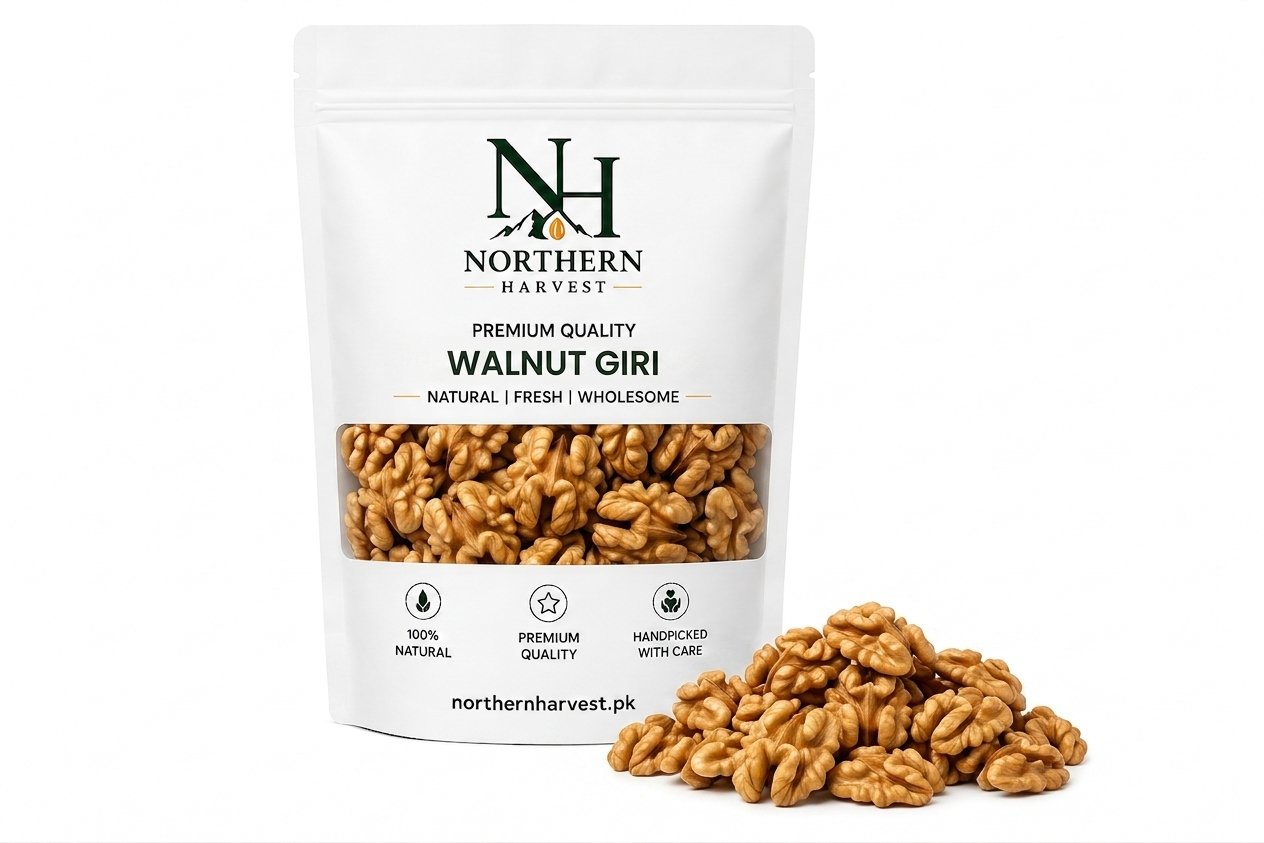
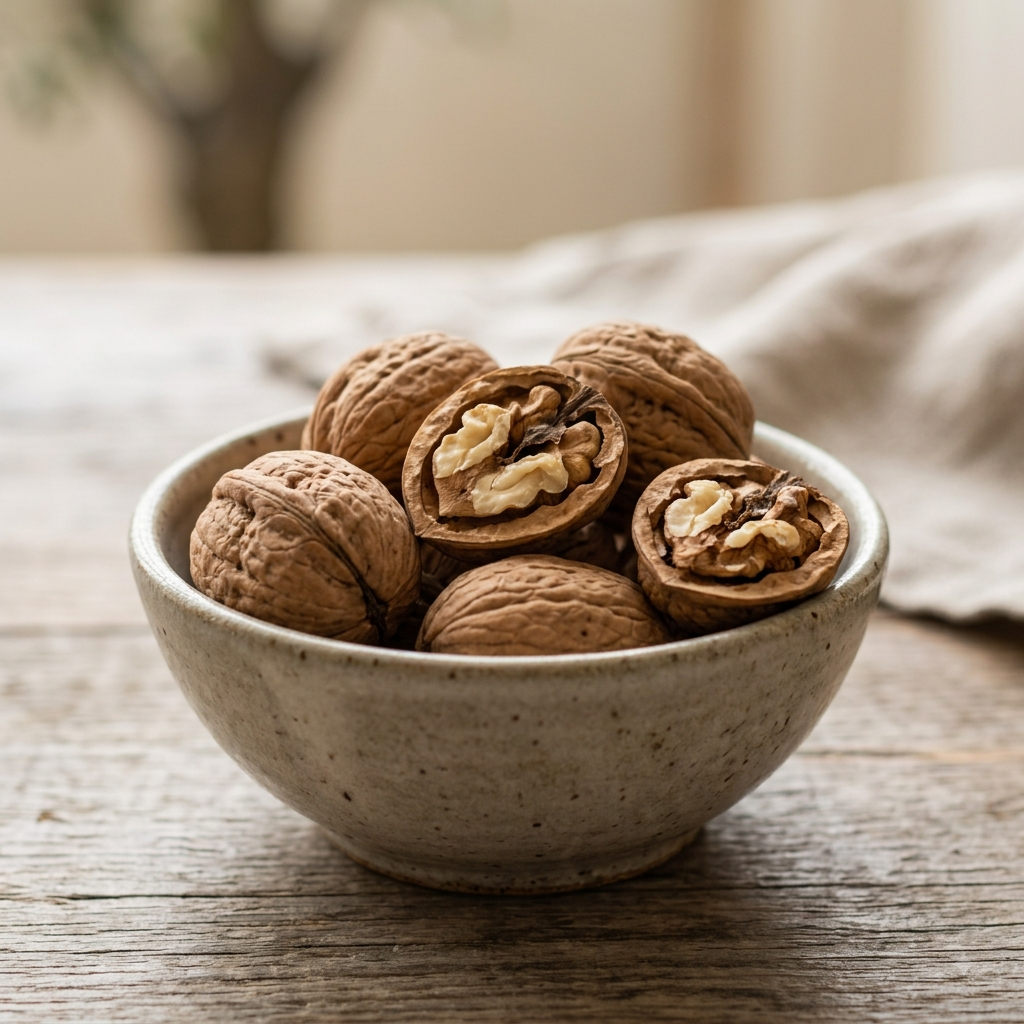
Walnuts
Walnuts have a distinctive rich flavour and are particularly valued for their plant-based omega-3 fatty acid, alpha-linolenic acid (ALA), along with healthy fats and other nutrients.
They work especially well with oats, yoghurt, fruit or a simple breakfast bowl.
 03
03
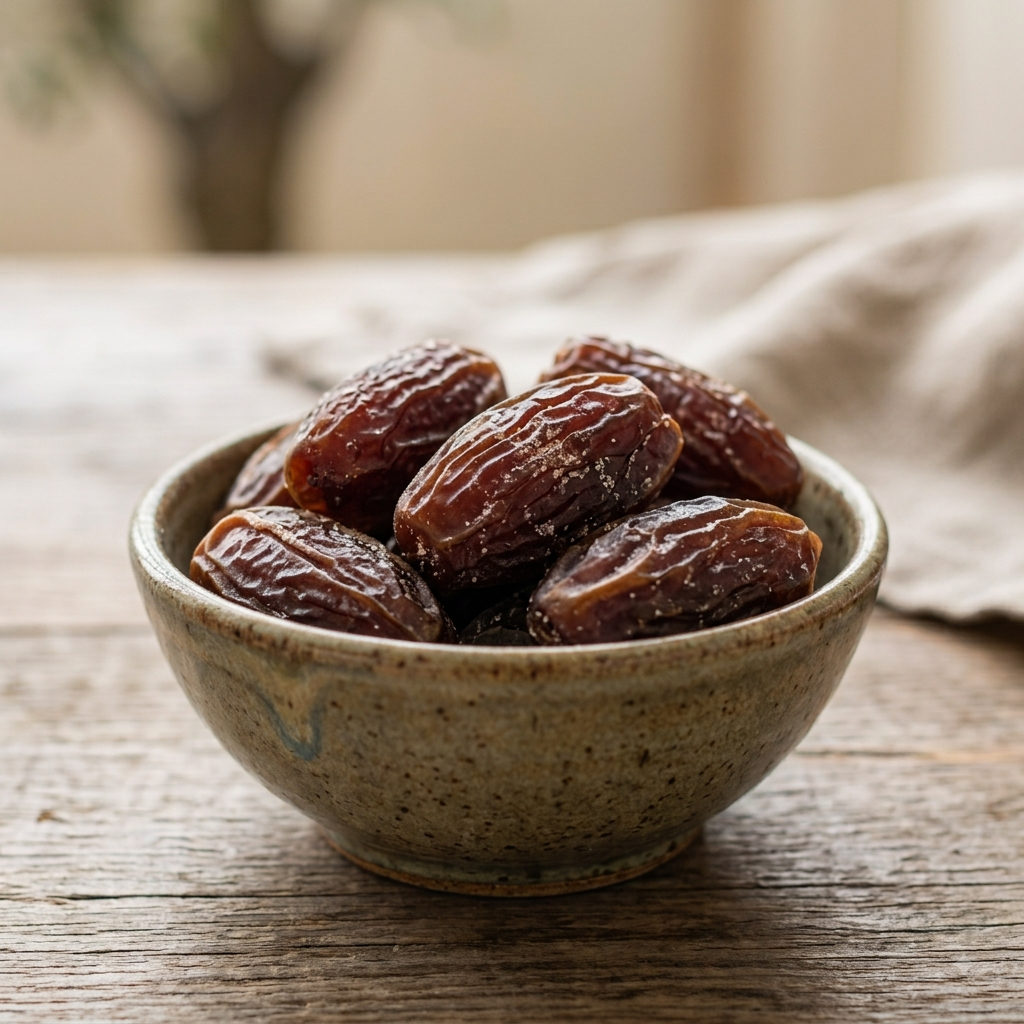
Dates
Dates are naturally sweet dried fruits that provide carbohydrates, fibre and minerals such as potassium. Their sweetness makes them useful when you want a quick alternative to heavily processed sweet snacks.
Because dried fruit is more concentrated than fresh fruit, portion size is worth keeping in mind.
 04
04
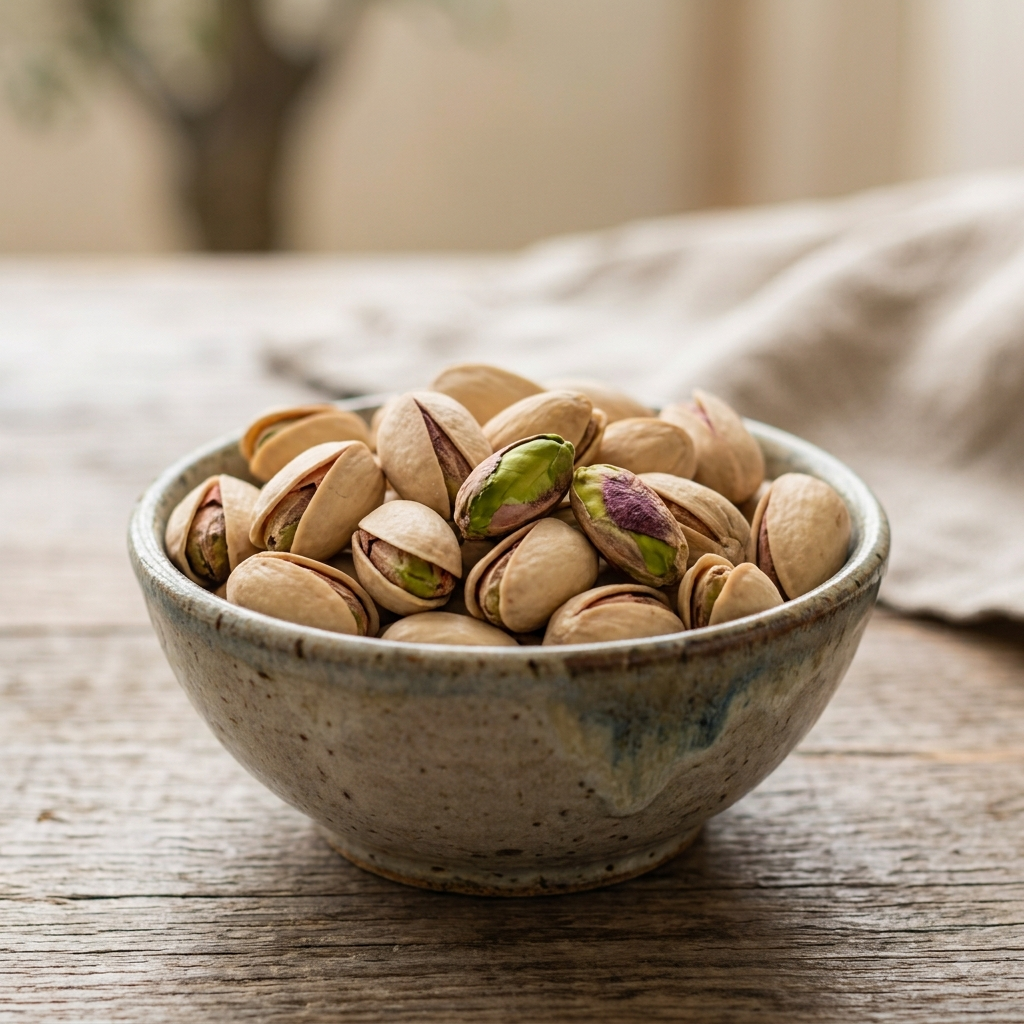
Pistachios
Pistachios provide protein, fibre and unsaturated fats, while their naturally satisfying texture makes them an enjoyable snack between meals.
If possible, choose plain or lightly roasted pistachios rather than varieties loaded with added salt, sugar or flavour coatings.
 05
05
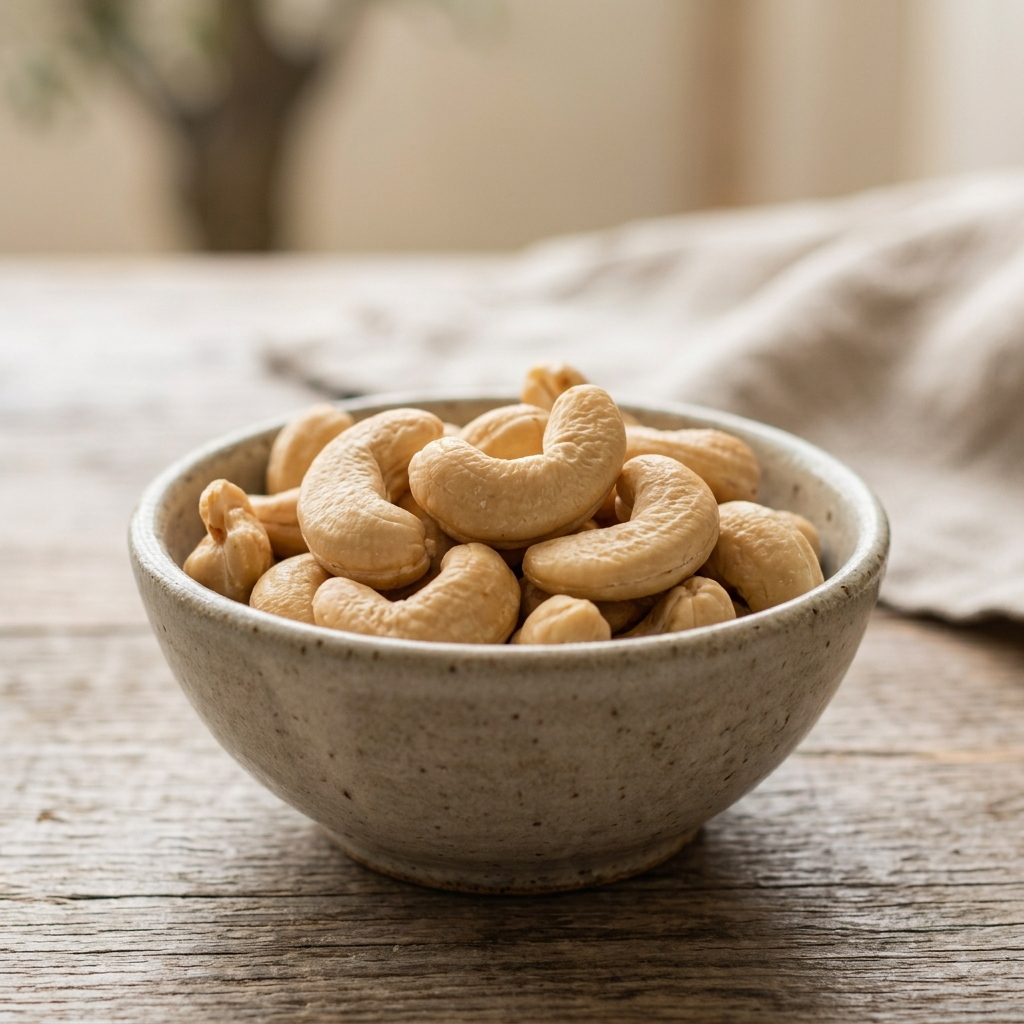
Cashews
Cashews have a naturally creamy texture and provide healthy unsaturated fats, protein, copper, magnesium and other nutrients.
They are delicious on their own and can also be incorporated into savoury dishes or homemade winter snacks.
 06
06
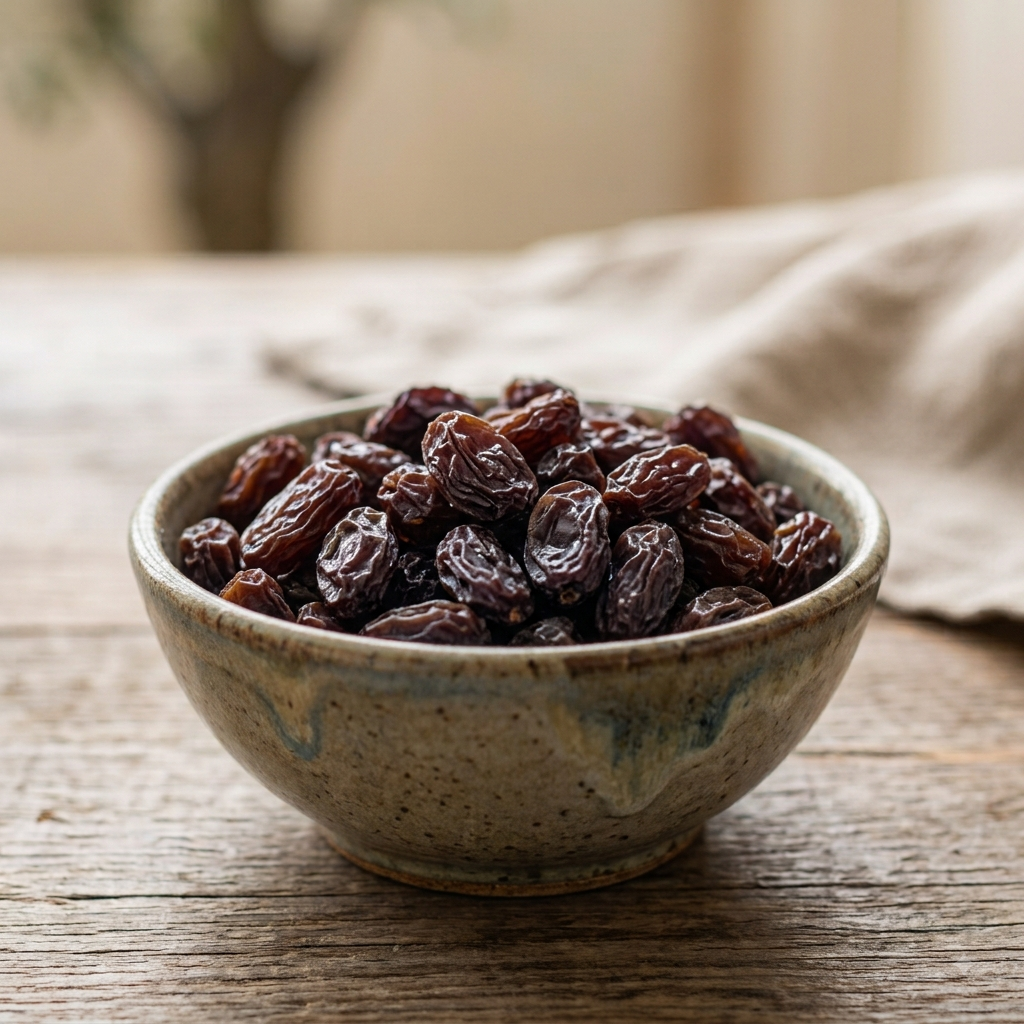
Raisins
Raisins are dried grapes with a naturally concentrated sweetness. They provide carbohydrates, fibre and several micronutrients, making them a convenient addition to breakfast bowls and snacks.
Since they are small and easy to eat quickly, it is helpful to portion them before snacking rather than eating directly from the packet.
 07
07
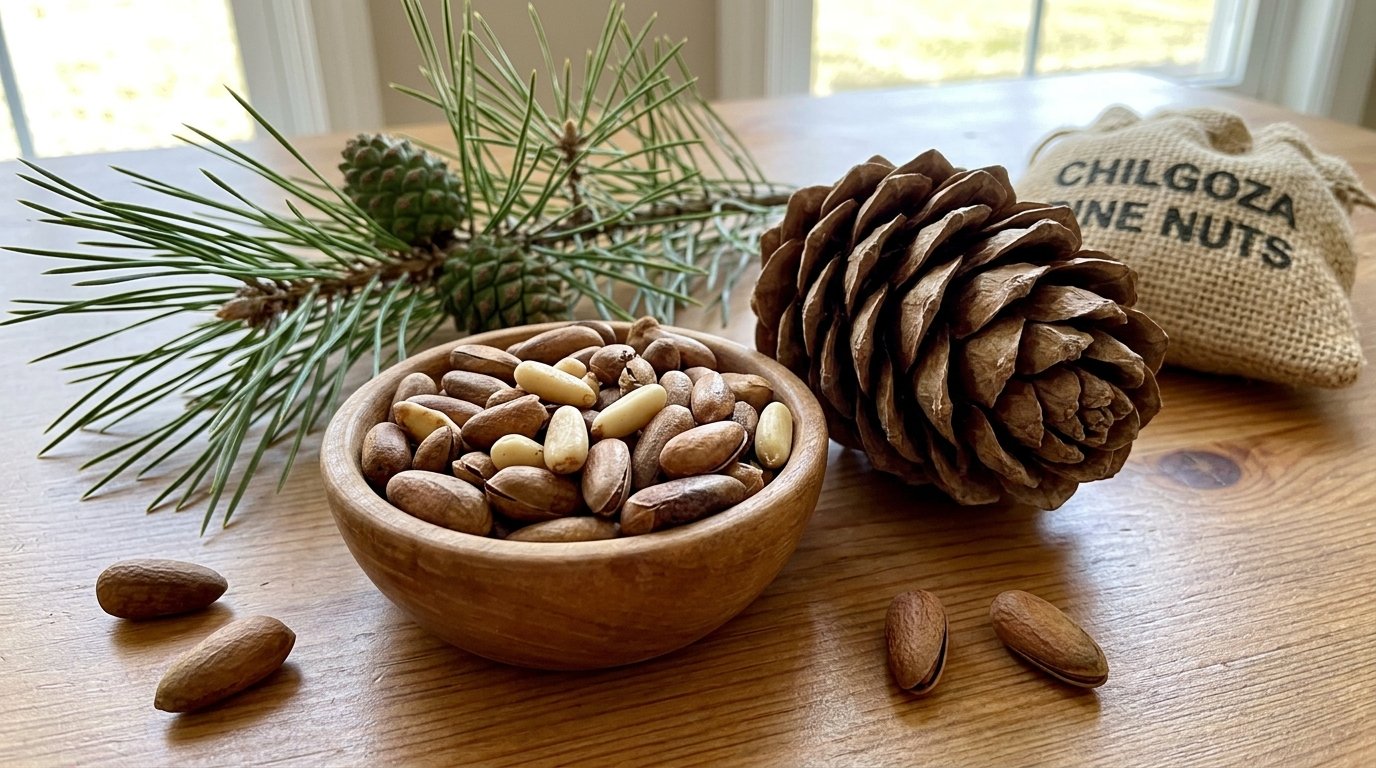
Chilgoza (Pine Nuts)
Chilgoza, also known as pine nuts, is a prized traditional nut associated with the mountainous regions of Pakistan and the wider Himalayan landscape.
Like other nuts, chilgoza contains energy, protein and unsaturated fats. Its distinctive buttery flavour also makes it a special addition to a winter dry-fruit selection.
How Much Dry Fruit Should You Eat in a Day?
Dry fruits and nuts can be nutrient-dense foods, but that also means a small serving can provide a significant amount of energy. Instead of eating straight from a large packet, measure your portion first.
For many adults, around 1 ounce (28 g) of nuts is a commonly used serving size. Your ideal amount can vary depending on your overall diet, calorie needs and individual circumstances.
Variety is more interesting than relying on one type.
Natural sugars become more concentrated when fruit is dried.
Prefer unsweetened and lightly salted options when possible.
Note: Portion needs are individual. People with diabetes, food allergies, kidney disease or other medical dietary requirements should follow advice from their qualified healthcare professional or dietitian.
Which Dry Fruit Should You Choose?
| Dry Fruit | Why People Like It | Easy Way to Enjoy |
|---|---|---|
| Almonds | Vitamin E, protein, fibre and healthy fats | Breakfast or snack |
| Walnuts | ALA omega-3 and healthy fats | Oats, yoghurt or snack |
| Dates | Natural sweetness, carbohydrates and fibre | With nuts or as a snack |
| Pistachios | Protein, fibre and satisfying crunch | Between meals |
| Cashews | Creamy texture and minerals | Snack or homemade mix |
| Raisins | Natural sweetness and convenient energy | Breakfast or trail mix |
| Chilgoza | Rich flavour and nutrient-dense profile | Simple winter snack |
When Is the Best Time to Eat Dry Fruits?
There is no single “perfect” time that everyone needs to follow. The best time is the one that fits naturally into your eating routine.
Morning
Add almonds, walnuts or a small mixed portion to breakfast with oats, yoghurt or fruit.
Afternoon
A measured handful can be a convenient alternative to highly processed snack foods.
Evening
If you need an evening snack, keep the portion moderate and avoid turning it into continuous grazing.
Should You Soak Almonds and Walnuts?
Soaking nuts overnight is a traditional practice in many households. Some people prefer the softer texture and find soaked almonds easier to eat in the morning.
However, soaking is not a requirement for enjoying nuts. Raw or roasted nuts can also be part of a balanced diet. What matters more is the overall quality of your diet and the portions you consume.
The best routine is the one you can maintain.
You don't need a complicated recipe to enjoy dry fruits in winter. A small portion alongside your normal meals can be enough.
Build Your Own Winter Dry Fruit Routine
Instead of eating every dry fruit at once, create a simple rotation that fits your meals and preferences.
Start with one favourite nut
Choose almonds, walnuts, pistachios or another nut you already enjoy.
Add a dried fruit
Pair a small amount of dates or raisins with nuts for natural sweetness.
Try regional favourites
Include quality chilgoza or other regional dry fruits when available.
Measure before eating
Portion your snack rather than repeatedly eating directly from the packet.
How to Choose Good-Quality Dry Fruits
Bring Quality Dry Fruits to Your Winter Routine
From everyday favourites to premium mountain dry fruits, choose products that are carefully selected, properly packed and enjoyable throughout the season.
Frequently Asked Questions About Dry Fruits in Winter
Which are the best dry fruits for winter?
Popular choices include almonds, walnuts, pistachios, cashews, dates, raisins and chilgoza. Each has a different nutritional profile, so including a variety can be a practical approach.
How many dry fruits should I eat per day?
A small handful of nuts, around 1 ounce or 28 grams, is a commonly used serving reference for adults. Individual needs vary, especially when considering total calorie intake and other foods in the diet.
Are dates good to eat in winter?
Dates can be included as part of a balanced winter diet. They provide carbohydrates, fibre and minerals, but because dried fruit is concentrated, moderate portions are sensible.
Is chilgoza good for winter?
Chilgoza is a nutrient-dense pine nut that can be enjoyed as part of a varied diet. Like other nuts, it contains energy, protein and unsaturated fats, so portion size still matters.
Should dry fruits be eaten every day?
Nuts and dried fruits can fit into a healthy diet when eaten in appropriate portions. The right frequency and amount depend on your overall eating pattern and individual nutritional needs.
Is it better to eat raw or roasted nuts?
Both can be suitable choices. When buying roasted nuts, check the label and consider choosing products without excessive added salt, sugar or flavour coatings.
Make Winter Snacking Simple
The best dry fruits for winter don't have to be complicated. Almonds, walnuts, pistachios, cashews, dates, raisins and chilgoza can all have a place in a varied diet.
The key is variety, sensible portions and good-quality products. Instead of looking for one “magic” dry fruit, build a simple routine that you can actually enjoy throughout the winter.
And when quality matters, choosing carefully sourced and properly packed dry fruits can make your everyday snack even more enjoyable.